

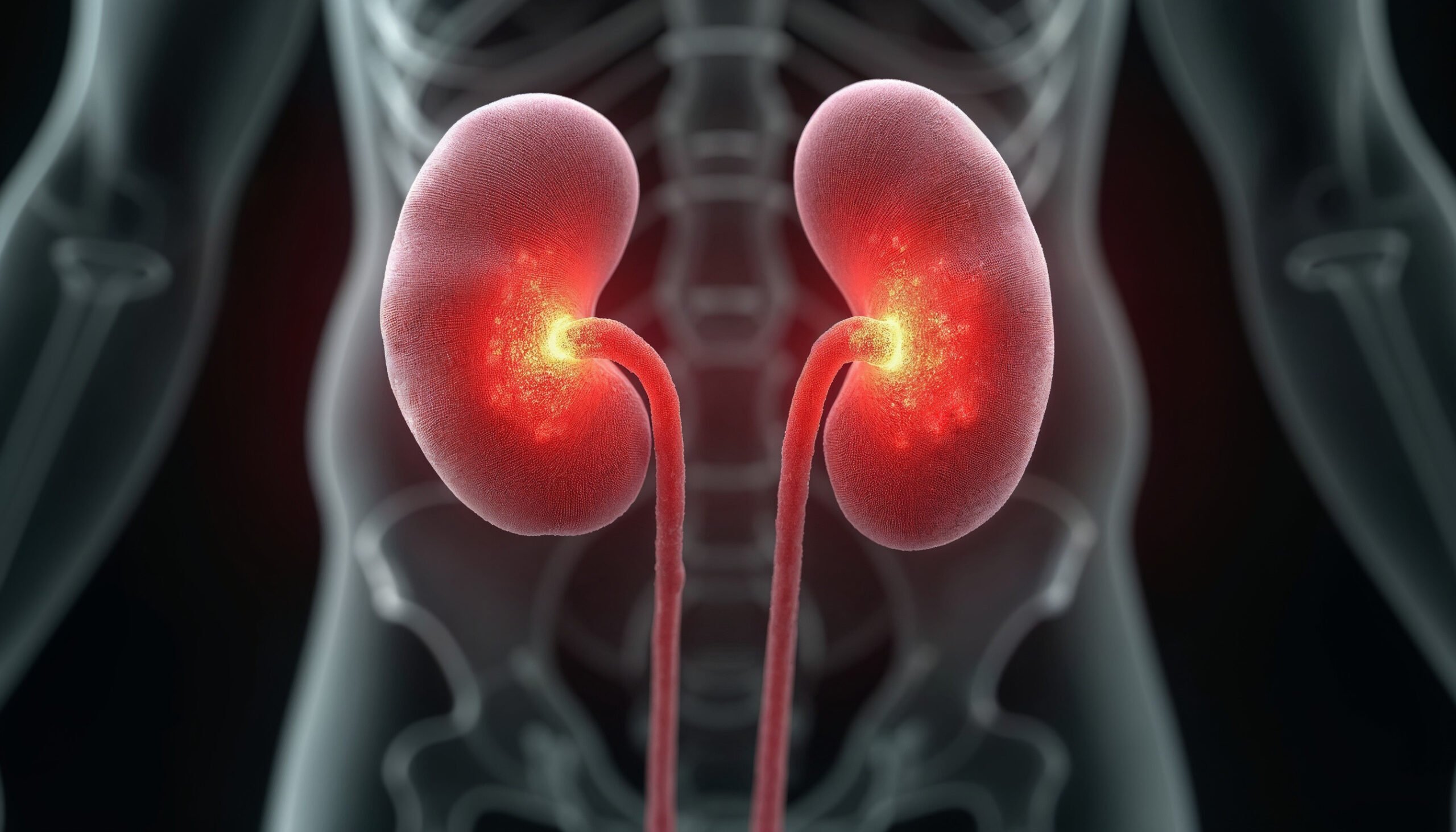
Your kidneys are small but very important organs that quietly work in the background every day to keep you well. This article explains what they do, how to look after them, and what to do if there are any concerns.
What do your kidneys do?
Your kidneys sit in your lower back, one on each side. They help to clean your blood by removing waste, balance fluids in your body, control blood pressure, and keep your bones and blood healthy.
Most of the time, you won’t feel your kidneys working, but they are essential to your overall health.
Why is kidney health important?
Kidney problems are quite common, especially as we get older. Many people do not realise they have an issue because there are often no symptoms in the early stages.
The good news is that simple tests can check your kidney health, and early detection makes a big difference.
How are the kidneys checked?
There are routine tests that are often done as part of a general medical, including blood tests to see how well your kidneys are filtering, this is known as your eGFR, and a urine test to check for protein, which can be an early sign of strain. Even if you feel well, it is worth having routine blood tests from time to time as an adult, and for many people an annual check can be a sensible way to keep an eye on general health, including kidney function.
What is chronic kidney disease (CKD)?
Chronic kidney disease (CKD) means the kidneys are not working as well as they should over time. It is usually mild and stable, and many people live normal, healthy lives with CKD. This is often linked to conditions, but not limited to: high blood pressure, diabetes, kidney stones, recurrent kidney infections, family history of kidney disease, or heart disease.
Are there any symptoms to look out for?
Most people with early kidney problems feel completely well. However, if your kidney function becomes more affected, you might notice that you feel more tired than usual, swelling in your ankles or around your eyes, changes in your urine, nausea, fatigue, or even shortness of breath.
What can you do to keep your kidneys healthy?
There are simple, everyday steps you can take to keep your kidneys healthy.
Keeping your blood pressure well controlled is important, so do take any prescribed medication regularly and attend your routine check-ups. If you have diabetes, maintaining steady blood sugar levels can help protect your kidneys over time.
Staying well hydrated also makes a difference, so try to drink regularly throughout the day, particularly in hot weather or if you’re feeling unwell.
A balanced diet can support kidney health too. Reducing your salt intake and maintaining a healthy weight are both helpful steps.
It’s also worth being mindful of certain medications. Some painkillers, such as ibuprofen, can affect the kidneys if taken frequently over a long period, so it’s best to use them carefully and follow medical advice.
Finally, stopping smoking and keeping active are two of the most beneficial things you can do, not just for your kidneys, but for your overall health and wellbeing.
What if your kidney tests are abnormal?
Abnormal kidney test results are quite common and, in many cases, do not indicate anything serious. We will usually repeat the test to confirm the result and may monitor your kidney function over time to see how things are changing. As part of this, we may also check your blood pressure and urine, as well as review any medications you are taking to ensure they are suitable for you.
In some situations, we may use additional blood tests, such as cystatin C, to give a more accurate assessment of kidney function, particularly if standard results are unclear. There are also more specialised blood tests that may help us better understand the cause of any kidney changes, including autoimmune screens such as ANA and ANCA. In some cases, we may arrange further tests, such as an ultrasound scan, to take a closer look at your kidneys.
If needed, you may be referred to a specialist for further assessment, but most people can be safely and effectively cared for by a GP.
How will your kidney function be monitored over time?
If you have kidney changes, you may be invited for regular check-ups with us. This helps to keep track of your kidney function, ensure any changes are picked up early, and allow treatment to be adjusted if needed.
When should I see a GP?
If you’re worried about yourself, a family member or a friend who may be experiencing symptoms of kidney problems, please don’t delay seeking help. It is important to see your GP promptly if you are at risk of kidney changes or begin to experience symptoms suggestive of declining kidney function. Early assessment allows for timely diagnosis, appropriate investigations, and interventions that can significantly slow disease progression.
At Sloane Street Surgery, we understand that being diagnosed with CKD, or undergoing investigations for possible kidney problems, can feel worrying and overwhelming -particularly as symptoms are often unclear or develop gradually over time. Our experienced GPs can provide thorough assessments, including appropriate blood and urine tests, to evaluate your kidney function and identify any underlying causes.
You can book a confidential appointment online or call us on 0207 245 9333 to speak with one of our team.
You should not wait for symptoms to appear before consulting your GP – understanding, support and effective treatment options are available.
About the author

MD MRCGP CILT
“Good medicine starts with listening — no patient should ever feel unseen or unheard.”
My background across different healthcare systems and clinical settings has shaped a broad experience and a flexible, holistic approach to care. At Sloane Street Surgery, I value the continuity that allows me to build long-term relationships with patients. I have a particular interest in preventive medicine and the positive impact it can have on long-term health and wellbeing.