

Bowel health is an important part of overall wellbeing, yet it is a topic many people feel uncomfortable discussing. While changes in bowel habits are often harmless, some may signal something more serious, including bowel cancer, one of the most common cancers in the UK.
Recent data shows bowel cancer is increasingly being diagnosed in younger adults. Over the last 30 years, cases in people aged 25 to 49 have risen by more than 60% in the UK. The good news is that bowel cancer is often highly treatable when detected early. This article explains what symptoms to look out for, when to see your GP, and how screening can help detect problems early.
What are the risk factors for bowel cancer?
Several factors can increase your risk of bowel cancer, even though the cause is usually multifactorial. Key risk factors include:
Diet and lifestyle
- Smoking: Around 7% of bowel cancers in the UK are linked to smoking.
- Being overweight or obese: Approximately 11% of bowel cancers in the UK are associated with excess weight.
- Diet: A diet high in red or processed meat, or low in fibre, is linked to a higher risk. Drinking alcohol also increases the risk of bowel cancer. Current UK guidance recommends no more than 14 units per week for both men and women.
Family history and genetics
- Having a first-degree relative (parent, sibling or child) with bowel cancer, especially if diagnosed at a younger age.
- Having multiple family members affected by bowel cancer.
- Certain inherited conditions, such as Familial Adenomatous Polyposis (FAP) or Lynch syndrome, significantly increase risk and require frequent screening.
Inflammatory bowel disease
- Long-standing inflammatory conditions such as Crohn’s disease and ulcerative colitis increase bowel cancer risk due to chronic inflammation of the gut.
Age
- Bowel cancer becomes more common with increasing age.
- Most cases are diagnosed over the age of 60, and around 40% of bowel cancers occur in people aged over 75.
Is bowel cancer only something I should worry about if I’m older?
It’s important to always consider your personal risk and if early bowel cancer screening might be appropriate for you.
Recent large international studies show that bowel cancer is the only cancer increasing in number faster in younger adults than in older adults. Although cancer remains much more common in older age groups, rates of bowel cancer in people under 50 are rising more rapidly than in those aged over 50 in most countries, including the UK. The exact causes for this are not yet known, but is most likely due to several factors working together including lifestyle, environmental exposures and the gut microbiome.
It’s important to be aware that many younger patients diagnosed with bowel cancer do not have obvious health problems. In England, the NHS bowel cancer screening programme currently invites people aged 50 to 74. Evidence from the US shows that lowering the screening age leads to more early-stage cancers being detected, when treatment is more effective.
How can I get screened?
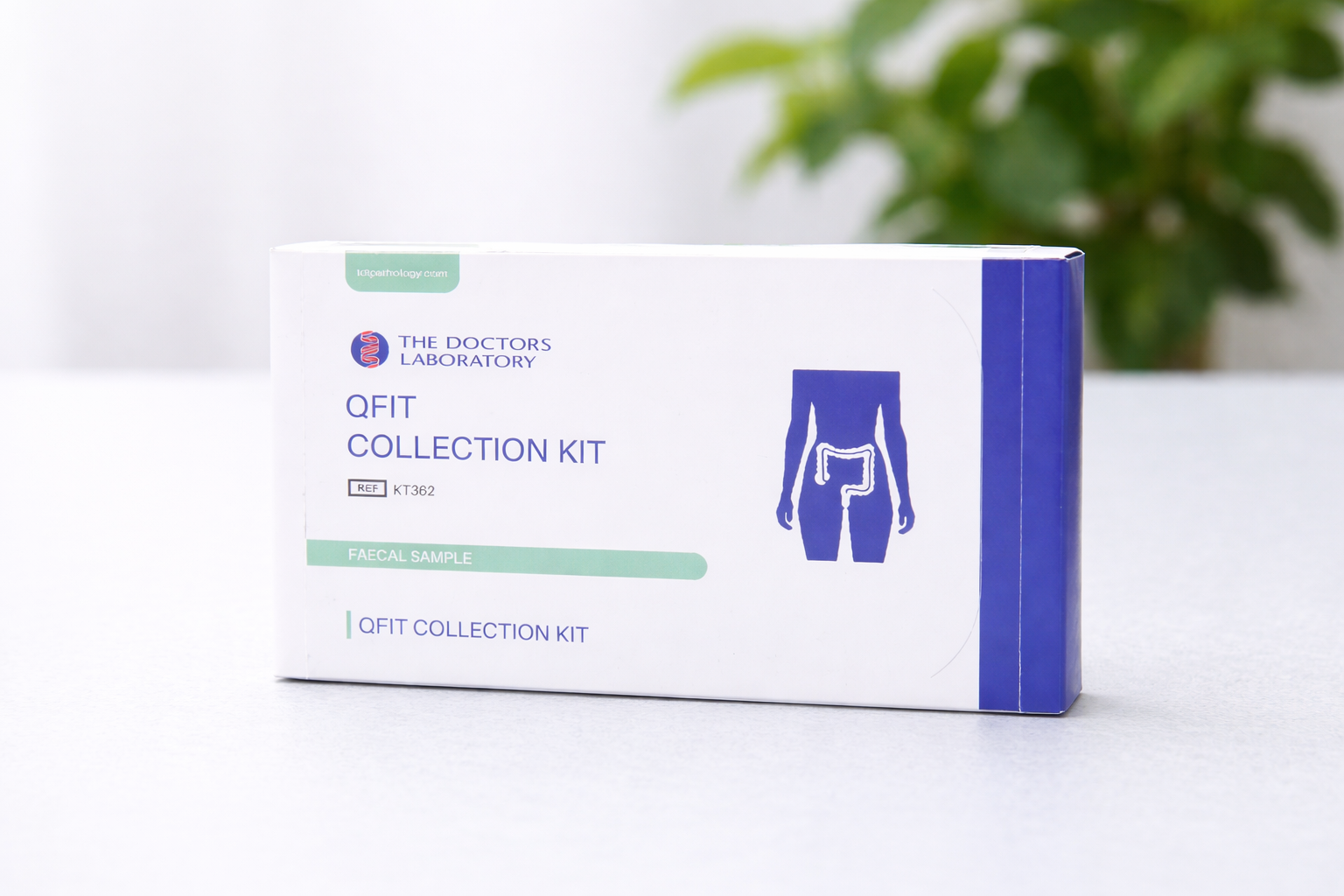
At Sloane Street Surgery, we can have a detailed discussion about your bowel risk and arrange a simple stool test to look for microscopic blood. For convenience, this test can also be posted to your home. It is very sensitive, and it’s important to remember that even if the result is positive, there are many non-cancerous causes of blood in the stool.
Depending on your personal medical history, assessment, and stool result we may also recommend a referral for colonoscopy to have a careful look at the bowel and take a biopsy sample if needed.
If you have a strong family history of bowel (or other cancers), we can also discuss referring you to a geneticist to discuss how often you should have screening.
What are the warning signs I should look out for?
It’s important to let your GP know if you notice any of the following “red flag” symptoms:
- Changes in your bowel habit – for example, passing stool much more or less often than usual, or stools that are persistently loose or constipated for several weeks.
- Blood in your stool or on tissue – while bleeding can sometimes be caused by benign conditions, it can also be a sign of bowel cancer. Always mention this to your GP.
- Abdominal pain, swelling, or bloating – especially if it is ongoing or unexplained.
- A feeling of incomplete emptying – if you often feel that your bowel hasn’t fully emptied after going to the toilet.
- Unexplained weight loss or night sweats – these may indicate a health issue that needs checking.
Even if symptoms seem mild or occasional, it’s always worth checking with your GP.
If I’m worried, what should I do?
Being aware of your bowel health, understanding your personal risk factors, and seeking early assessment if you notice changes can make a significant difference. Bowel symptoms can sometimes be vague, or absent entirely, so it’s normal to feel unsure about whether to come in. At Sloane Street Surgery, we are here to help you make informed decisions about screening and prevention, so you can take proactive steps to protect your health.
We recommend that all patients over the age of 50 have a comprehensive annual medical assessment. During this appointment, we review your personal risk factors and discuss which screening tests are most appropriate for you.
You can book a confidential appointment online here or call us on 0207 245 9333 to speak with a member of our team.
About the author

BSc (Hons), MBBS, MRCGP
“I love that general practice enables me to form long-term relationships with my patients. Being part of a person’s health journey, and caring for individuals and families from birth through to later life, is a true privilege.”
I am passionate about providing holistic, patient-centred care and value having the time to truly listen to what matters most to my patients. I am committed to ensuring that patients feel heard, informed, and actively involved in decisions about their care. I have a particular interest in women’s health and care of the elderly, and I also genuinely enjoy the breadth and variety that general practice offers.
I have gained broad clinical experience across a wide range of community and hospital settings, including acute medicine, care of the elderly, general and plastic surgery, trauma and orthopaedics, intensive care, psychiatry, obstetrics and gynaecology, paediatrics, and rehabilitation medicine. I qualified as a GP in 2024 and currently practice between Sloane Street Surgery and a busy NHS clinic in Oxford. I am also a primary care tutor for medical students at the University of Oxford.