


We all need a certain amount of pressure in our system to carry nutrients and oxygen to our tissues but if the pressure is too high, this can cause damage within the delicate arteries. This damage causes plaque to build up which in turn disrupts organs and can lead to heart attacks, strokes, dementia, kidney and visual problems, all of which we are keen to avoid. People feel entirely well with high blood pressure (or hypertension) so it is important to have it checked.
Is high blood pressure only a condition of adulthood?
Hypertension (high blood pressure) has traditionally been viewed as a disease of adulthood. Most of us recognise Primary (Essential) Hypertension. It accounts for the majority of adult cases and is associated with genetic predisposition, obesity and metabolic factors, a high sodium intake and a sedentary lifestyle. Genetic predisposition significantly influences hypertension risk in fact by a 2–3-fold increase risk with positive family history.
However, over the past two decades, it has become increasingly clear that hypertension begins much earlier in life, often during childhood and adolescence.
Epidemiological studies estimate that around 3–4% of children have hypertension, with higher rates in those who are overweight or have other risk factors.1 Children at risk are those who have underling kidney, hormonal disorders, malformations of the arteries in the renal system (renovascular disease), and sleep apnoea. These causes are termed Secondary Hypertension. Alarmingly, elevated blood pressure in youth is not benign—it tracks into adulthood and is associated with early cardiovascular damage.2
Why does hypertension in youth matter?
Hypertension in young people is not simply an early marker; it is already causing measurable harm.
It can cause increased left ventricular mass (early heart strain), thickening of blood vessels (atherosclerosis precursors) and increased risk of stroke, kidney disease, and heart failure later in life
Studies show that up to 30% of newly diagnosed hypertensive children already have target organ damage.
What should you look out for in your child? A practical guide for parents
Ideally all children from the ages of 3 should have their blood pressure checked. This should be earlier if there is a family history of cardiovascular disease, if the child has kidney disease, was premature or has poor growth.
There are some important lifestyle warning signs which may make children and adolescents more vulnerable to hypertension. Factors including increased screen time, poor diet (high salt, processed foods), reduced physical activity and poor sleep with significant snoring which may indicate sleep apnoea.
Although the identification is critical for secondary causes of hypertension the good news is that many causes are amenable to targeted or curative treatment.
Are there any subtle indicators or ‘Yellow flags’ which require further investigation in adults?
Although most adult hypertension is primary (essential), certain features can suggest a secondary or more complex cause and should not be overlooked. Clinical clues include snoring and daytime sleepiness, which may point to obstructive sleep apnoea; Cushingoid features such as weight gain, muscle weakness and easy bruising, which may indicate an endocrine disorder; and headaches, sweating or palpitations, which can occasionally suggest pheochromocytoma, an adrenaline-secreting tumour.
How is home blood pressure monitoring changing the way we diagnose hypertension?
Contemporary guidance, including the NICE hypertension guidance (2026), places greater emphasis on blood pressure measurements taken outside the clinic rather than relying solely on readings recorded in a medical setting. Clinic-based readings can be affected by the ‘white coat’ effect, where blood pressure rises in a healthcare environment, as well as by normal measurement variability. Structured home blood pressure monitoring over seven days improves diagnostic accuracy and can reduce overtreatment.3 A validated upper-arm cuff device remains the diagnostic standard, and the British and Irish Hypertension Society recommends the most reliable monitors.
How do you check your blood pressure accurately at home?
Sit quietly for five minutes and take two readings, one minute apart. Record the systolic and diastolic readings and repeat this in the morning and evening for seven days. The average systolic blood pressure (the top number) and the average diastolic blood pressure (the bottom number) can then be calculated. This average blood pressure figure is the most accurate for diagnosis and monitoring of treatment.
How is wearable wrist blood pressure monitoring evolving?
Wearable devices i.e. HILO wristband offer non-invasive, continuous blood pressure estimation. They can be excellent for longitudinal trend monitoring and may detect hypertension previously masked. Their limitations are that there is variable accuracy due to skin tone and temperature and require regular calibration.
At this stage they should be considered adjuncts to, not replacements for, validated measurement techniques.4
What blood pressure targets are you aiming for?
The new NICE blood pressure targets remain broadly similar to before, but as a rule, if any average home reading is above 135/85, you should contact your doctor for a review.
The exception to this is if you are over 80 years old. Blood pressure that is too low can actually cause problems with dizziness and falls, so the average home blood pressure we aim for is slightly higher, at around 145/85.
How is target organ damage assessed in clinic?
Hypertension exerts its effects through cardiac and vascular remodelling, which can be assessed using non-invasive investigations carried out in the clinic setting.
An electrocardiogram (ECG) may demonstrate left ventricular hypertrophy (LVH), where one chamber enlarges due to continued increased pressure, as well as arrhythmias such as atrial fibrillation. However, ECG has limited sensitivity for detecting LVH.5
Echocardiography provides a more sensitive assessment of structural changes, including quantification of left ventricular mass, detection of concentric hypertrophy, assessment of diastolic dysfunction and evaluation of left atrial enlargement. In paediatric populations, echocardiography is particularly valuable for identifying early cardiac adaptation to hypertension. 6
Blood tests can also provide useful clues. Low potassium levels (hypokalaemia) may suggest primary aldosteronism, while declining kidney function may point towards renovascular disease.
What lifestyle changes are recommended for high blood pressure?
Losing excess weight, exercising regularly, limiting alcohol and reducing salt intake is not new advice and remains first-line therapy. For primary hypertension, the DASH (Dietary Approaches to Stop Hypertension) diet emphasises fruit and vegetables, whole grains, low-fat dairy, and reduced sodium intake. The new NICE guidance continues to emphasise all of these measures, as even small changes can reduce blood pressure significantly, with clinical trials showing that these changes alone can lower the top blood pressure reading by 8–14 mmHg. 7 & 8
What if I need medication to treat my hypertension?
If lifestyle measures are not quite enough and medication is required, the new NICE guidance gives us clearer steps. First-line medicines still include ACE inhibitors such as ramipril, ARBs such as losartan, calcium channel blockers such as amlodipine, and thiazide-like diuretics such as bendroflumethiazide. What is clearer now is the move towards more personalised treatment. For example, Black African or Caribbean patients are usually started on a calcium channel blocker, while people with diabetes are often offered an ACE inhibitor or ARB. It is also increasingly recognised that good blood pressure control often requires two or three medications working together, rather than simply increasing one medication alone.
What are the key things to remember about hypertension?
Hypertension is a multifactorial, progressive condition with origins in early life and consequences across the lifespan. Early identification, recognition of ‘yellow flags’ and appropriate investigation are essential in helping to prevent irreversible organ damage. Advances in home monitoring and wearable technology are supporting improved detection, while lifestyle modification and personalised treatment remain the cornerstone of management.
Selected references
- Flynn JT, et al. (2017). Pediatrics, 140:e20171904.
- Chen X, Wang Y. (2008). Circulation, 117:3171–3180.
- Stergiou GS, et al. (2020). Hypertension, 75:1216–1226.
- Omboni S, et al. (2021). J Clin Hypertens, 23:1493–1503.
- Okin PM, et al. (2000). J Am Coll Cardiol, 35:1056–1063.
- Daniels SR, et al. (1995). J Pediatr, 127:444–449.
- Appel LJ, et al. (1997). N Engl J Med, 336:1117–1124.
- Sacks FM, et al. (2001). N Engl J Med, 344:3–10.
NICE (2019). Hypertension in adults: diagnosis and management (NG136)
About the author
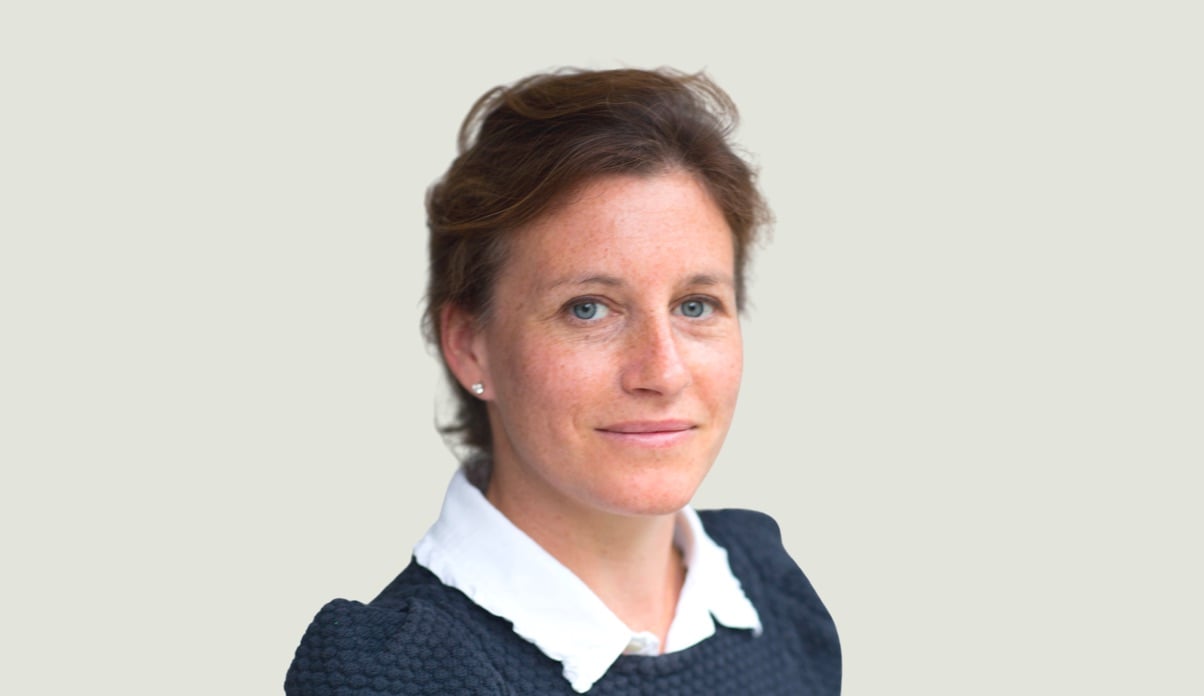
MBBS BSc DCH MRCGP DipDerm PGCEd
“I’ve always committed to keeping a holistic, kind and compassionate approach to my care, encompassing patients’ physical, psychological and global wellbeing.”
Achieving a Merit award for MRCGP in 2008 before working in a large, busy NHS practice in Putney for 12 years. I became the in-house opinion in Dermatology after achieving a Merit award for my Diploma in Dermatology. I trained to be a Trainer who teaches other doctors to become GPs and received my PCGEd Merit from London Deanery in 2012.
I have worked at The Royal Mews Surgery, London for the past 6 years and am now Apothecary to the King and Queen’s Royal Household, Buckingham Palace.