
As the days grow shorter and temperatures drop, many of us notice changes in our mood, energy levels and motivation. We may feel a little more lethargic, sleep longer or find ourselves reaching for comforting foods more often.
Whilst these changes are common during the winter months, for some people they become more pronounced and begin to affect everyday life. This may be a sign of Seasonal Affective Disorder (SAD), a form of depression that follows a seasonal pattern, typically beginning in autumn or winter and improving as spring approaches.
SAD is estimated to affect around 3 in 100 people in the UK, although milder forms of seasonal low mood may be more common.
What causes SAD?
The exact cause isn’t fully understood, but reduced exposure to natural daylight is thought to play an important role.
Shorter days can disrupt our internal body clock (circadian rhythm), affecting our sleep patterns, energy levels and mood. Changes in the regulation of melatonin, which helps control sleep, and serotonin, a chemical involved in mood, may also contribute.
Research continues to explore how daylight influences our appetite, alertness and emotional wellbeing.
SAD appears to be more common in women than men, particularly during early and middle adulthood, and is less frequently recognised in children and older adults.
What are the symptoms?
SAD can affect people differently, but common symptoms include:
- Persistent low mood, sadness or irritability
- Feeling unusually tired or lacking energy
- Sleeping more than usual and struggling to get out of bed
- Increased appetite, particularly cravings for carbohydrates and sugary foods
- Difficulty concentrating or feeling less motivated
- Withdrawing from social activities or losing interest in things you normally enjoy
Symptoms can range from mild to severe and may affect relationships, work and everyday activities.
How is SAD different from other forms of depression?
Many of the symptoms overlap with depression, but SAD often has some distinguishing features.
People with winter-pattern SAD are more likely to sleep longer, struggle to wake on dark mornings and experience increased daytime tiredness. They may also notice a greater appetite, particularly for carbohydrate-rich foods, which can contribute to weight gain.
The main difference, however, is the recurring seasonal pattern, with symptoms typically improving as daylight hours increase in spring.
What can you do to help?
Feeling tired and unmotivated can make us less active and more inclined to stay indoors, potentially creating a negative cycle of low mood and reduced energy.
The good news is that several practical steps can help support your mental wellbeing throughout the darker months. Many are similar to those recommended for managing depression.
- Make the most of natural daylight
Try to spend time outdoors every day, ideally in the morning. Even on cloudy days, natural outdoor light is generally much brighter than indoor lighting.
A morning walk, a lunchtime stroll or simply enjoying a coffee outside can be an easy way to increase your daylight exposure.
- Keep physically active
Regular exercise can improve mood, reduce stress and promote better sleep. Whether it’s walking, cycling, swimming or a fitness class, the most important thing is finding something you enjoy and can maintain.
Exercising outdoors has the added benefit of combining physical activity with natural daylight.
- Maintain a consistent sleep routine
Try to go to bed and wake up at similar times each day, even at weekends.
Avoid excessive lie-ins, reduce screen time before bed and aim for a comfortable, dark sleeping environment. Getting outside shortly after waking may also help regulate your body clock.
- Stay socially connected
It’s tempting to retreat indoors during the colder months, but maintaining social connections is important for our mental wellbeing.
Arrange regular catch-ups with friends, join a class or make time for activities you enjoy.
If you’re struggling, try talking to friends or family about how you’re feeling. You may find that others are experiencing similar changes, and sharing your feelings can make a real difference.
- Consider light therapy
Some people find that using a specially designed SAD light box helps improve their symptoms.
These devices provide bright light intended to compensate for reduced natural daylight during winter. They are commonly used for around 20–60 minutes in the morning, depending on the device and its recommended instructions.
Some people report improvements within the first week or two, although the scientific evidence remains mixed and light therapy does not work for everyone.
If considering a light box, choose a UV-free device designed for SAD and at the right distance from you. Have a chat with us if you’re unsure whether it’s suitable for you, particularly if you have an eye condition, bipolar disorder or take medication that increases sensitivity to light.
Possible side effects include headaches, eye strain, nausea or blurred vision, although these are usually mild.
Dawn-simulating alarm clocks are another option worth considering. These gradually increase in brightness before your alarm goes off, mimicking a natural sunrise. They may make waking on dark winter mornings feel easier, although evidence for treating SAD is limited.
- Look after your diet and vitamin D levels
A balanced diet and regular meals can help maintain energy levels and support general wellbeing.
During the winter months, when sunlight exposure is reduced, it’s also important to consider vitamin D.
In the UK, the NHS recommends that adults consider taking a daily 10 microgram (400 IU) vitamin D supplement during autumn and winter.
Although vitamin D is important for bone health and general wellbeing, there is currently insufficient evidence that supplementation specifically treats SAD.
When should you seek help?
For people experiencing mild seasonal symptoms, lifestyle changes and self-help measures may be sufficient.
However, if your low mood persists, affects your daily activities or makes it difficult to enjoy life, it’s important to come and see one of us here at the practice rather than simply waiting for spring.
Treatment options include cognitive behavioural therapy (CBT), a talking therapy that helps people recognise and manage unhelpful patterns of thinking and behaviour. Research suggests that CBT adapted for SAD can be effective and may help reduce the risk of symptoms returning in subsequent winters.
Antidepressant medication may also be appropriate for some people, particularly those with more significant symptoms or recurrent episodes. In certain cases, treatment may be planned around the autumn and winter months, with decisions tailored to the individual.
If you are having thoughts of self-harm or suicide, please seek help straight away. If you or someone else is in immediate danger, call 999 or go to A&E. You can also contact NHS 111 for urgent mental health support, or call Samaritans free on 116 123, 24 hours a day.
In Summary
SAD is a recognised form of depression, and effective support and treatment are available. Don’t underestimate the benefits of daylight, regular exercise, good sleep and staying connected with others.
Small, consistent changes can make a meaningful difference to how you feel throughout the winter months. And if you’re finding things difficult, don’t hesitate to reach out for support — you don’t have to wait until spring to start feeling better.
References
Royal College Psychiatry – Seasonal affective disorder (SAD)
About the author
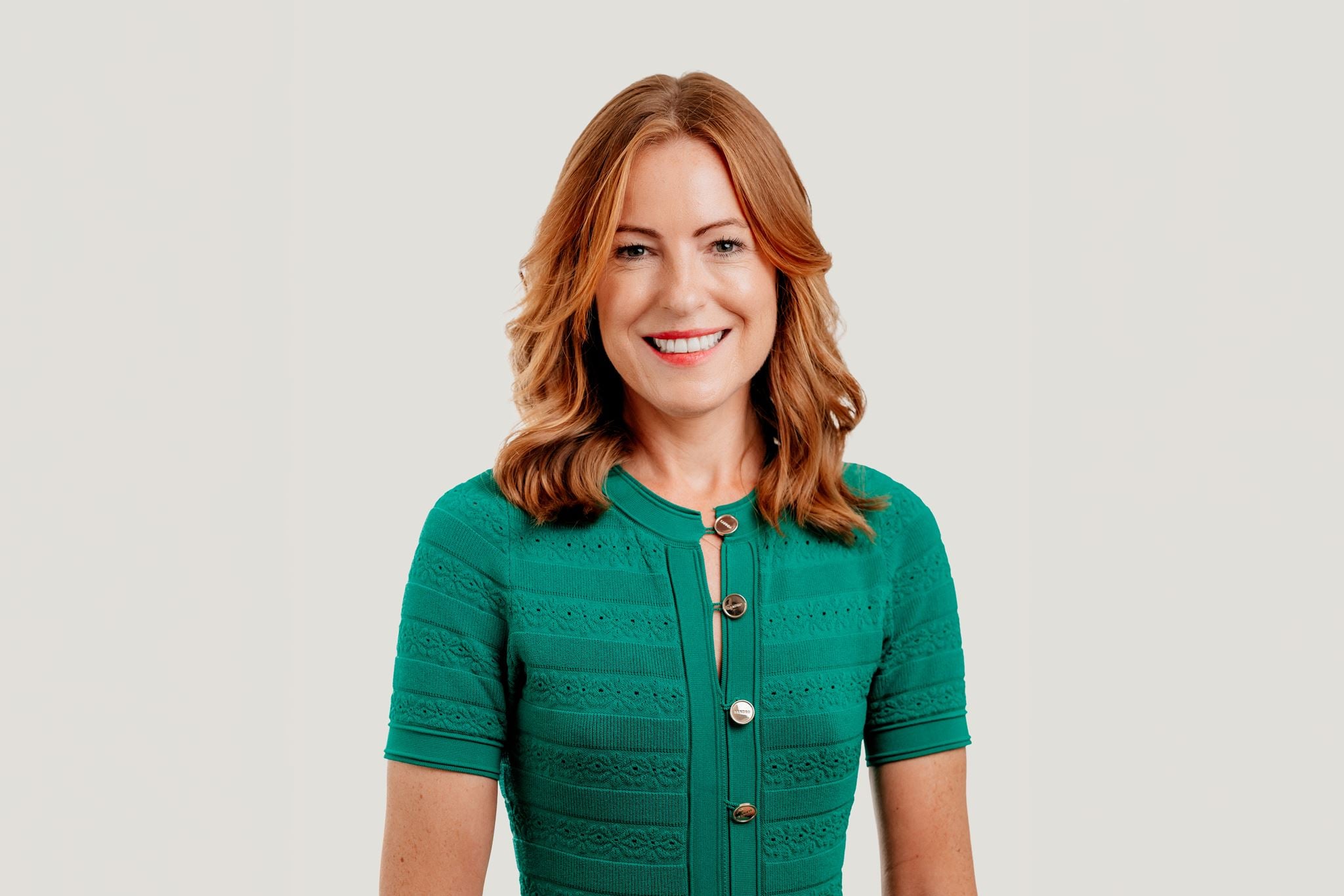
BSc (Hons) MBChB MRCGP
“Long consultation times allow us to really get to know our patients and treat them in a holistic fashion which ultimately helps us to give the best care”.
I’ve worked across a range of medical specialities including obstetrics and gynaecology, sexual health, care of the elderly and mental health.
Since 2019, I’ve spent time working as a Resident Medical Officer at King Edward VII Hospital but was keen to continue private practice work as a General Practitioner, joining Sloane Street in August 2022.
In addition to my private work at Sloane Street, I work for the NHS in South West London and continue to enjoy acute medicine, helping with pre-hospital care at events such as the London Marathon.