

There are many forms of skin cancer and, for ease, doctors divide them into two main groups: malignant melanoma and non-melanoma skin cancer.
Malignant melanoma is a potentially dangerous form of skin cancer that can spread to other parts of the body and, if left untreated, can be fatal.
This article focuses on the much more common non-melanoma skin cancers, such as basal cell carcinoma (BCC) and squamous cell carcinoma (SCC), and what you can do to reduce your risk of developing another.
Basal cell carcinoma, or BCC, is the most common type of skin cancer. It develops in the basal cells in the outer layer of the skin and is most often found on areas that have had a lot of sun exposure, such as the face, head, neck and ears.
BCCs usually grow slowly and very rarely spread to other parts of the body. However, they do need treatment because, if left alone, they can continue to grow and damage the surrounding skin and tissue.
Squamous cell carcinoma, or SCC, is another common type of skin cancer, also often associated with sun exposure. Most SCCs can be treated successfully, particularly when found early. They are more likely than BCCs to spread to other parts of the body, so prompt assessment and treatment are important.
BCC and SCC are the two main types of non-melanoma skin cancer. If you have previously had either, you may wonder whether you are likely to develop another and what you can do to reduce your risk. The good news is that there are some straightforward things you can do to protect your skin and reduce your risk – including good sun protection, regular skin checks and, for some people, a particular form of vitamin B3.
If I’ve had a BCC before, am I more likely to develop another?
Unfortunately, having had one BCC or SCC does increase your risk of developing another non-melanoma skin cancer in the future.
The good news is that there are some straightforward things you can do to reduce that risk and help ensure that any new skin cancer is identified at an early stage.
What can I do to reduce my risk?
Sun protection should become part of your everyday routine.
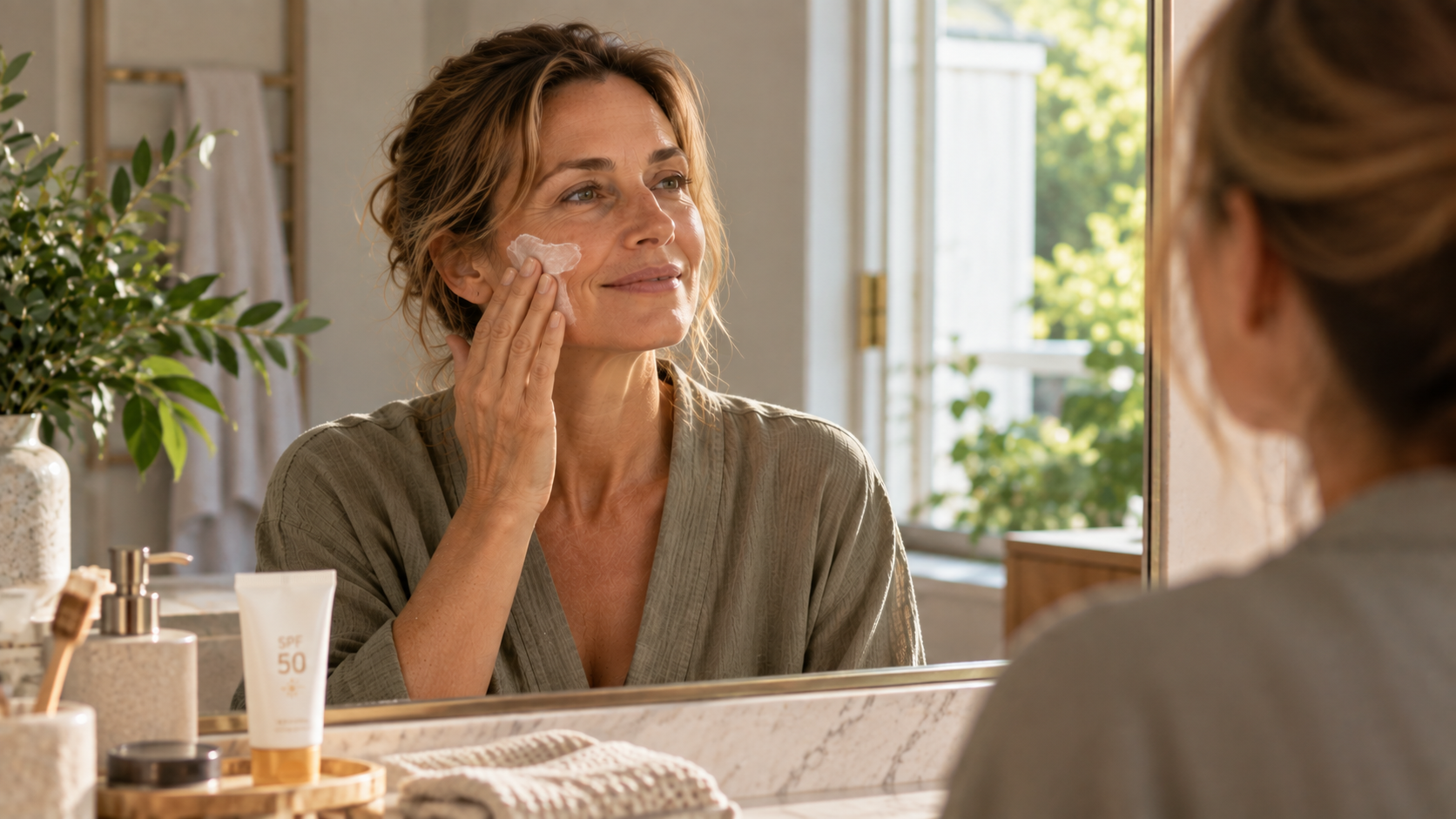
This should include using a broad-spectrum SPF 50+ sunscreen on exposed skin, particularly during periods of significant sun exposure, alongside physical protection such as a wide-brimmed hat, appropriate clothing and seeking shade where practical.
In the UK, protection is particularly important from March to October, and at any time of year when UV exposure is higher, such as when travelling to sunnier climates or on skiing holidays. Many patients find it easier simply to make sunscreen part of their morning routine all year round, rather than changing their habits with the seasons. Remember to reapply it every two hours when outdoors, and after swimming or towelling.
Sunscreen is useful, but it should ideally be considered one part of sun protection rather than a substitute for clothing and avoiding excessive UV exposure.
How often should I check my skin?
It is sensible to become familiar with your own skin and examine it approximately once a month, looking for any new or changing lesions.
When looking for signs of SCC or BCC, look out for a sore that does not heal, an area that repeatedly crusts or bleeds, a pearly, shiny or persistent red patch, or a growing, scaly or crusted lump.
Self-examination is helpful, but it should not be your only form of follow-up. These checks should sit alongside appointments with your GP or dermatologist at the intervals recommended by your doctor. The right schedule will depend on your skin cancer history and individual risk.
If you notice something that concerns you, contact your GP or dermatologist.
Could vitamin B3 help?
There is also some interesting evidence regarding nicotinamide, a form of vitamin B3.
The best-known study is the ONTRAC trial, a randomised controlled trial that looked at people who were at particularly high risk of further skin cancers, having already had at least two non-melanoma skin cancers during the previous five years.
Participants who took nicotinamide 500 mg twice daily developed approximately 23% fewer new non-melanoma skin cancers over the following 12 months than those taking a placebo.
Does that mean everyone who has had a BCC or SCC should take nicotinamide?
Not necessarily. It is important to put the findings into perspective.
The study involved people at higher risk than someone who has simply had a single BCC or SCC, so we cannot assume that everyone with a previous skin cancer will obtain the same degree of benefit. In addition, the protective effect appeared to be present while nicotinamide was being taken and was not demonstrated after treatment was stopped.
Nevertheless, nicotinamide is inexpensive, available without prescription and was generally well tolerated in the trial. For patients who have had previous BCCs or SCCs – particularly those who have had several – it is therefore something worth discussing with your GP or dermatologist.
What should I look for if I buy vitamin B3?
If you choose to buy vitamin B3, please look specifically for nicotinamide (also called niacinamide), rather than niacin (nicotinic acid).
They are related forms of vitamin B3, but niacin commonly causes unpleasant flushing and is not the preparation that was studied for skin cancer prevention.
Most importantly, nicotinamide should complement, rather than replace, good sun protection and sensible surveillance of your skin.
When should I speak to my GP?
If you have previously had a BCC or SCC and are uncertain whether nicotinamide is appropriate for you, please discuss it with us or with your dermatologist.
And if you notice a new or changing lesion, a sore that isn’t healing, or anything else on your skin that concerns you, please don’t wait to see what happens. We would always rather you have it checked.
If you have concerns about a skin lesion or would like advice following a previous BCC or SCC, please contact Sloane Street Surgery to arrange an appointment.
About the author
BSc (Hons) MBChB (Hons) MRCP MRCGP
“Having the opportunity to help people is the privilege of being a GP and makes every day enjoyable. General practice rewards curiosity and empathy with fascinating insights into how disease and life’s journey impacts people in such varied ways. It is often humbling, and always interesting”.
I joined Sloane Street Surgery in 2009 and am delighted to be part of a team committed to striving for excellence in health care. I enjoy all areas of general practice, particularly preventative healthcare, internal medicine, paediatrics, diagnostic challenges and getting to the bottom of mental health problems.