

Recent international news coverage of hantavirus — particularly following the outbreak linked to a cruise ship in South America — has understandably raised questions amongst many patients.
Unfamiliar infections can generate anxiety, particularly after the experience of the COVID-19 pandemic. At Sloane Street Surgery, several patients have asked whether hantavirus represents a genuine threat, whether it is present in the UK, and whether there are any precautions people should be taking.
The reassuring reality is that, for the vast majority of people in the UK, the overall risk remains very low. At the same time, it is a scientifically important infection and one worth understanding properly, particularly given the amount of misinformation that can accompany emerging infectious disease stories.
What is hantavirus?
Hantavirus is not a single virus, but a family of viruses carried primarily by rodents. Different strains exist in different parts of the world and can cause different forms of illness.
The recent headlines have focused on the Andes strain of hantavirus linked to South America. This particular strain is unusual because limited person-to-person transmission has occasionally been reported. Importantly, most hantaviruses do not spread between humans.
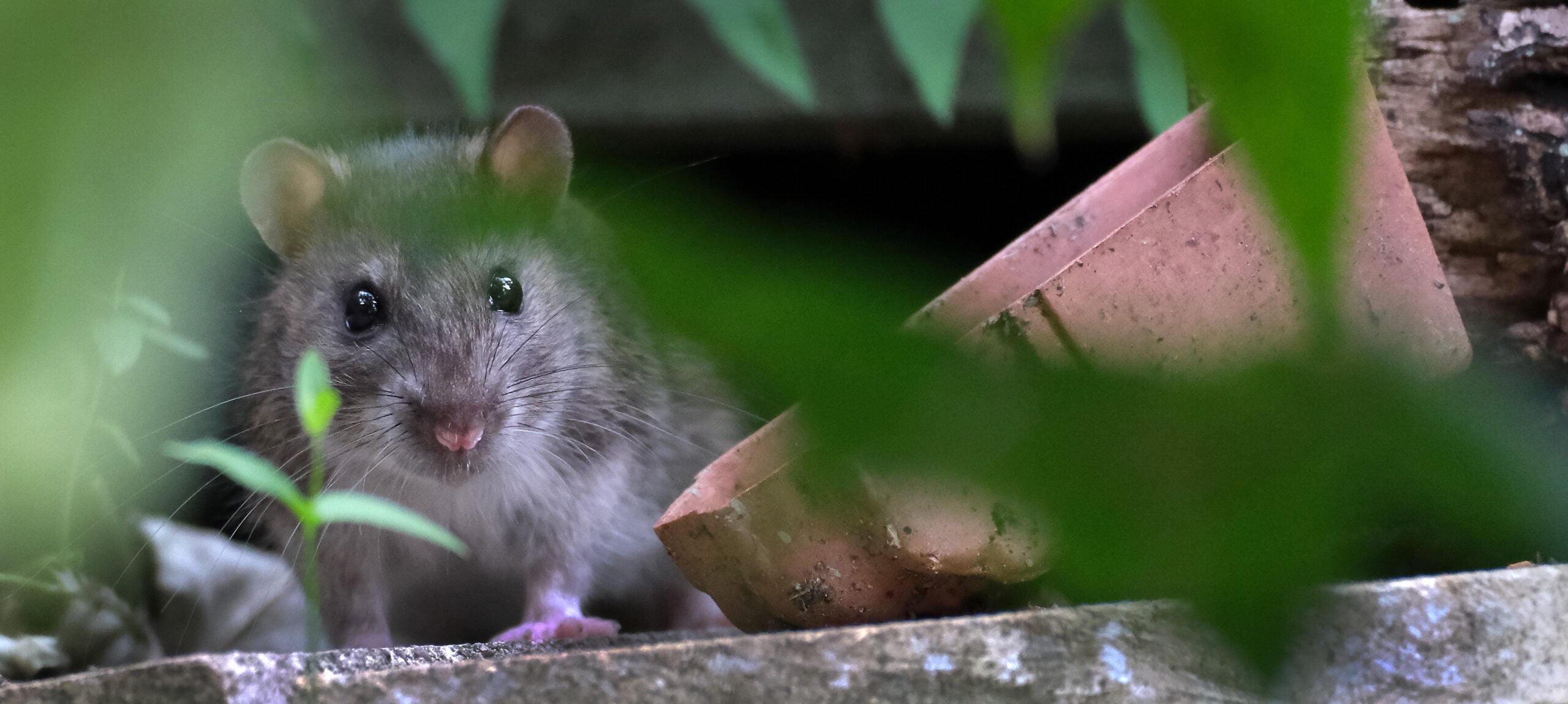
Infection usually occurs through exposure to rodent urine, droppings or contaminated dust particles, often in enclosed or poorly ventilated spaces such as sheds, barns, cabins or attics.
For most people living routine urban lives in the UK, the likelihood of exposure remains extremely small.
Is hantavirus present in the UK?
Yes, although context is important.
Certain rodent populations in the UK can carry hantaviruses, including Seoul hantavirus in rats. However, human infection remains uncommon, and the Health Security Agency continues to regard the overall public health risk as low.
This is not a virus spreading widely within communities. Historically, UK cases have generally occurred in very specific circumstances involving significant rodent exposure.
Why has it appeared in the news recently?
The recent attention relates largely to an outbreak involving passengers aboard the expedition cruise ship MV Hondius in South America.
Part of the concern stems from the fact that Andes virus is one of the few hantavirus strains where limited human-to-human spread has occasionally been observed. However, health authorities including the CDC, WHO and UKHSA continue to emphasise that the wider public risk remains low.
It is important to keep this in perspective. Hantavirus behaves very differently from highly transmissible respiratory viruses such as COVID-19. Transmission is considerably more difficult and usually requires quite specific exposure circumstances.
What symptoms does hantavirus cause?
Early symptoms are often non-specific and may resemble many common viral illnesses. Patients can develop fever, fatigue, muscle aches, headaches, nausea or abdominal symptoms.
In more severe cases, particularly with hantavirus pulmonary syndrome, patients may develop cough, breathlessness and significant respiratory complications.
One of the challenges clinically is that the early symptoms are not distinctive. A history of significant rodent exposure or travel to affected areas is often the most important clue.
Should I have a hantavirus test?
For most people, the answer is no. Hantavirus testing is only appropriate for a small number of patients who have a relevant exposure history and symptoms that raise clinical suspicion of infection. It is not recommended for people seeking reassurance after reading media reports or for those without a clear risk factor.
All UK samples must be sent to Porton Down, a specialist laboratory, for testing. They will only process samples from patients who meet certain risk criteria after the lab has had a discussion with their doctor.
We can advise whether testing is appropriate based on your symptoms, travel history and potential exposure risk.
Is hantavirus dangerous?
It can be, although severe illness remains rare overall.
Some forms of hantavirus pulmonary syndrome are associated with significant complications, particularly when respiratory failure develops. However, it is important to remember that the infection itself remains uncommon, and severe cases represent only a small proportion of potential exposures.
As with many infections, outcomes vary depending on the viral strain involved, underlying health and access to supportive medical care.
Is there a treatment?
There is currently no specific antiviral treatment routinely recommended for hantavirus infection, and there is no widely available vaccine.
Management is therefore largely supportive. In severe cases, hospital care may involve oxygen therapy or intensive care support.
Early medical assessment is important where significant symptoms develop following potential exposure.
Should people in the UK change their behaviour?
For most people, no major lifestyle changes are necessary.
The practical advice is relatively straightforward: avoid direct exposure to rodent droppings, ventilate dusty enclosed spaces before cleaning, and avoid creating airborne dust when cleaning areas with possible rodent contamination.
Simple hygiene measures remain the most important precaution.
Should travellers or pet owners be worried?
For most travellers, the overall risk remains very low. Millions of people travel safely each year to regions where hantaviruses naturally exist.
Similarly, there is no reason for alarm amongst responsible pet owners. Good hand hygiene and sensible handling precautions around rodents are generally sufficient.
Why do infections like this create so much anxiety?
Partly because unfamiliar risks often feel more threatening than familiar ones.
In medicine, one of the most important distinctions is between theoretical possibility and meaningful real-world risk. Media coverage can sometimes blur this distinction.
In the case of hantavirus, the evidence currently suggests that while the infection can certainly be serious, transmission remains relatively difficult, outbreaks are uncommon, and overall public risk in countries such as the UK remains very low.
What is the bottom line?
Hantavirus is a genuine but uncommon rodent-borne infection. The recent outbreak linked to South American travel has understandably increased public awareness, but it is important not to overstate the current level of risk.
For most people in the UK, ordinary daily activities remain entirely safe, and simple hygiene precautions are generally sufficient.
Our view at Sloane Street Surgery is that emerging infectious diseases are best approached with calm, evidence-led perspective rather than alarm.
Awareness is sensible. For most patients, reassurance is equally appropriate.
If you have any concerns about infectious diseases or would like to speak with one of our GPs, please get in touch. At Sloane Street Surgery in Chelsea, we offer private appointments at your convenience. Book online or call us on 0207 245 9333.
About the author

BSc (Hons) MBChB (Hons) MRCP MRCGP
“Having the opportunity to help people is the privilege of being a GP and makes every day enjoyable. General practice rewards curiosity and empathy with fascinating insights into how disease and life’s journey impacts people in such varied ways. It is often humbling, and always interesting”.
I joined Sloane Street Surgery in 2009 and am delighted to be part of a team committed to striving for excellence in health care. I enjoy all areas of general practice, particularly preventative healthcare, internal medicine, paediatrics, diagnostic challenges and getting to the bottom of mental health problems.