

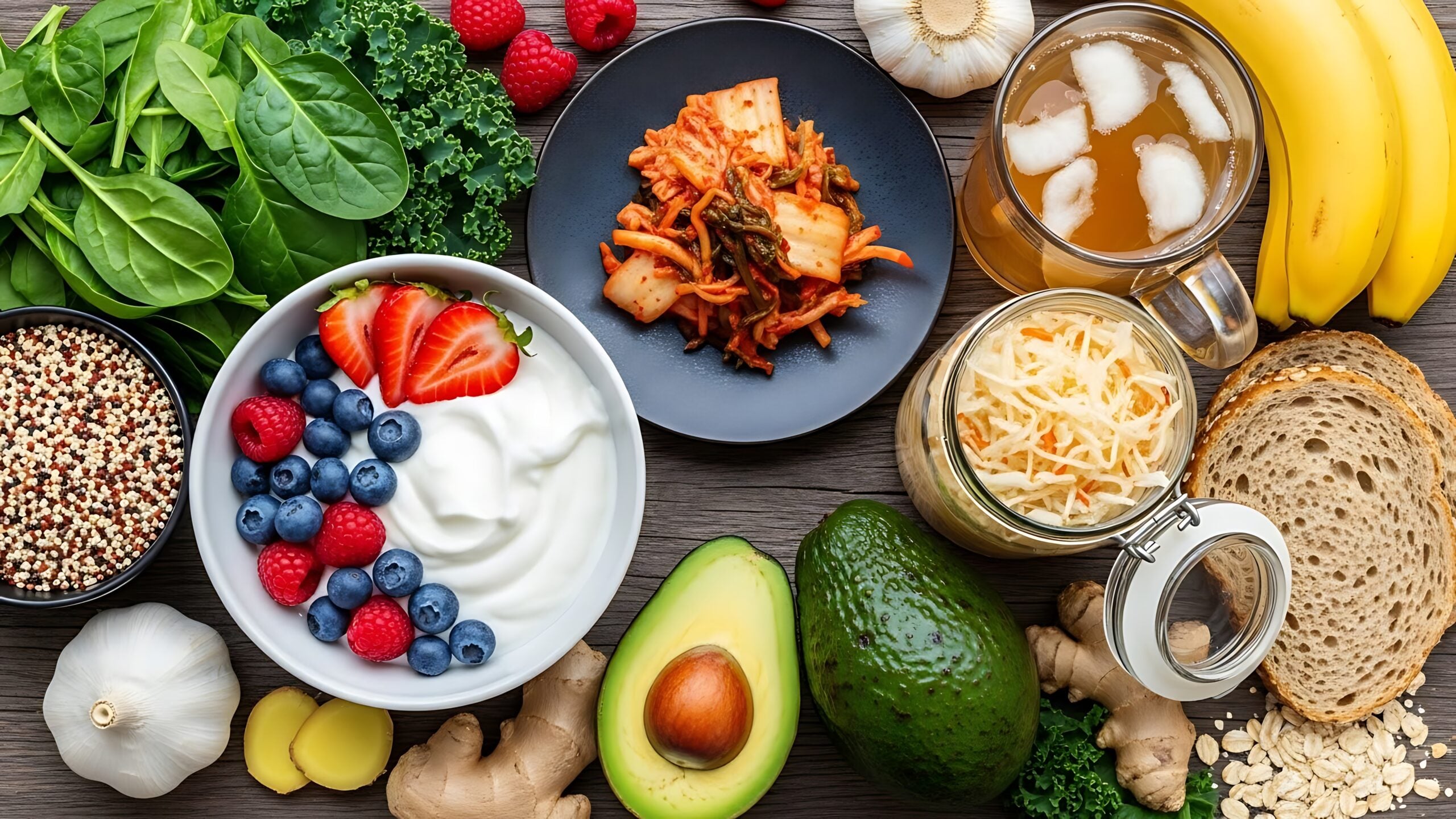
The science of the gut microbiome has expanded rapidly over the past decade. Patients are increasingly exposed to claims that improving the gut microbiome may influence digestion, immunity, inflammation, metabolism and even mood.
At Sloane Street Surgery, we are frequently asked whether probiotics, prebiotics and postbiotics are genuinely beneficial, and how much of the current discussion is supported by good evidence.
What is the microbiome?
The gut microbiome refers to the vast community of microorganisms living within the gastrointestinal tract, including bacteria, viruses and fungi. These organisms interact with digestion, immune signalling, metabolism and aspects of inflammation.
Research into the microbiome is scientifically important and evolving rapidly. However, the existence of a biological mechanism does not necessarily mean that modifying the microbiome leads to meaningful improvements in your health.
What are probiotics?
Probiotics are live microorganisms intended to provide a health benefit when consumed in sufficient quantities. Common examples include strains of Lactobacillus, Bifidobacterium and Saccharomyces boulardii.
Different strains behave differently. Evidence supporting one strain in one condition cannot automatically be generalised to another.
Do probiotics actually work?
In some situations, yes — although effects are usually modest rather than dramatic.
The strongest evidence is for selected gastrointestinal conditions. Certain probiotics may reduce the risk of antibiotic-associated diarrhoea, and some strains may help selected individuals with irritable bowel syndrome.
Claims that probiotics improve energy, immunity, skin health, weight loss or longevity have much less support in good evidence.
Are fermented foods beneficial?
Possibly. Fermented foods such as kefir, live yoghurt, kimchi and miso contain microorganisms and fermentation products that may influence the gut microbiome.
For most healthy individuals, incorporating fermented foods into a balanced diet is reasonable if well tolerated. They are unlikely to substitute for a broader good quality diet.
What are prebiotics?
Prebiotics are substances — usually forms of dietary fibre — that selectively nourish beneficial gut bacteria.
They occur naturally in foods such as onions, garlic, oats, legumes, bananas and asparagus.
Prebiotics arguably sit on firmer evidence than many probiotic supplements because they overlap substantially with well-established good nutritional principles. Diets rich in fibre and diverse plant foods are well known to support good health.
Should most people take a prebiotic supplement?
Usually not. For most patients, increasing intake of naturally fibre-rich foods is likely more beneficial and better supported than relying on supplements alone.
Improving dietary diversity and following a Mediterranean-style dietary pattern is generally more evidence-based than focusing narrowly on microbiome ‘optimisation’.
What are postbiotics?
Postbiotics are substances produced by microorganisms during fermentation or metabolism rather than live bacteria themselves.
These include short-chain fatty acids, bacterial metabolites and cellular components. The field is scientifically promising, but much of the evidence, whilst interesting, is not currently of a high enough quality to allow us to confidently advise patients on their routine use.
Should patients have microbiome testing?
Routine commercial microbiome testing seems appealing and promises to provide answers about our health that satisfy our innate curiosity. However, they should be interpreted cautiously.
Although these tests can generate large amounts of information, interpreting the results meaningfully remains difficult. Broadly, this means a microbiome test gives us hundreds of answers, but we don’t have the evidence to tell us what to do with that data. Ultimately, evidence that they improve long-term health outcomes is still limited.
What practical advice do we give patients?
For most people, the most evidence-based approach remains relatively conventional:
• prioritise a diverse, fibre-rich diet
• include minimally processed plant foods
• exercise regularly
• sleep adequately
• avoid unnecessary antibiotic exposure
Some patients may benefit from targeted probiotics in specific clinical situations, but routine long-term supplementation is not universally necessary.
What is the bottom line?
The microbiome is an exciting and important area of scientific research. At the same time, public discussion often moves ahead of the evidence.
Currently, prebiotics largely align with established principles of healthy nutrition, probiotics may provide modest benefits in selected settings, and postbiotics remain scientifically interesting but clinically early-stage.
Our view at Sloane Street Surgery is that patients are best served by a calm, evidence-led approach: remaining open to emerging science while avoiding exaggerated claims that extend beyond the current evidence base.
Want to learn more?
This article is based on current evidence from leading clinical guidelines and peer-reviewed research:
- NICE guidance on probiotics and gastrointestinal health
- Cochrane Reviews on probiotics for antibiotic-associated diarrhoea
- BMJ and Lancet reviews on dietary fibre and metabolic health
- NEJM reviews on the gut microbiome and human disease
If you have any questions about your gut health, or would like personalised advice on diet, digestive symptoms or probiotic use, please speak to your GP or contact the team at Sloane Street Surgery. We offer private appointments at your convenience – book online or call us on 0207 245 9333.
About the author

BSc (Hons) MBChB (Hons) MRCP MRCGP
“Having the opportunity to help people is the privilege of being a GP and makes every day enjoyable. General practice rewards curiosity and empathy with fascinating insights into how disease and life’s journey impacts people in such varied ways. It is often humbling, and always interesting”.
I joined Sloane Street Surgery in 2009 and am delighted to be part of a team committed to striving for excellence in health care. I enjoy all areas of general practice, particularly preventative healthcare, internal medicine, paediatrics, diagnostic challenges and getting to the bottom of mental health problems.