

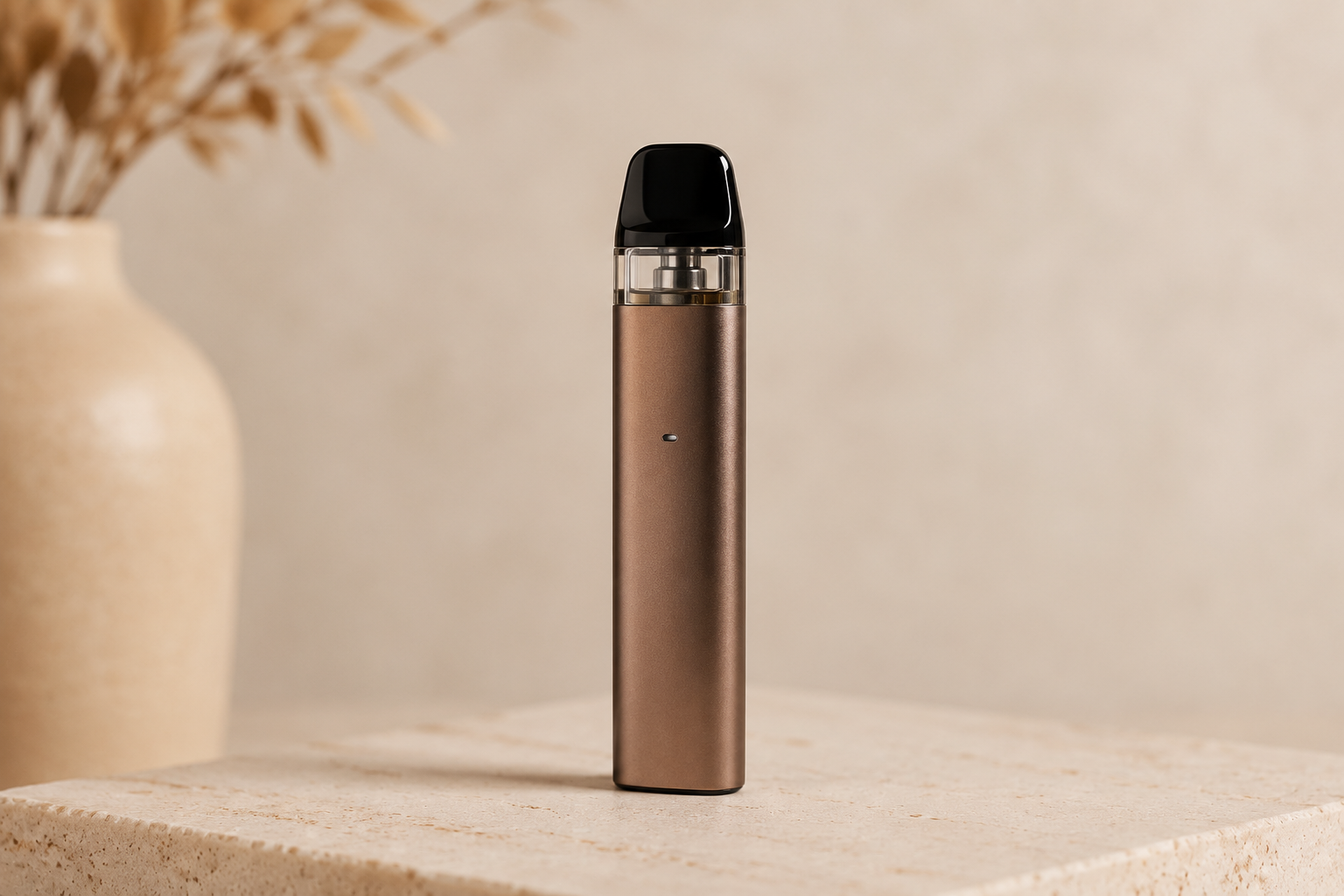
Over the past few years, vaping has become one of the most widely discussed public health topics in the UK. For some people, e-cigarettes have been an effective way to stop smoking. For others, particularly parents of teenagers, concerns have grown about nicotine addiction and the increasing popularity of vaping amongst young people.
At Sloane Street Surgery, we are often asked whether vaping is safe, whether it is better than smoking, and whether people who do not smoke should avoid it altogether.
The answer is not as straightforward as many headlines suggest. The current evidence indicates that vaping is substantially less harmful than smoking cigarettes, but that does not mean it is harmless. Understanding the difference is important.
Has vaping really overtaken smoking?
Yes.
Smoking rates in the UK have fallen steadily for many years and are now at their lowest recorded levels. More adults now use e-cigarettes than smoke tobacco cigarettes, with around one in ten adults vaping.
Most adult vapers are either current smokers trying to quit or former smokers who have switched completely. Public health researchers believe that vaping has played an important role in helping many smokers stop smoking, although the exact contribution is difficult to measure because many other tobacco control measures have also been introduced over the same period.
Among younger adults, the change has been particularly striking, with cigarette smoking continuing to decline while vaping has become increasingly common.
Is vaping safer than smoking?
The greatest harm caused by cigarettes comes from burning tobacco, which produces thousands of chemicals, many of which are known to cause cancer, heart disease and chronic lung disease.
E-cigarettes do not burn tobacco. Instead, they heat a liquid containing nicotine to produce an aerosol that is inhaled. This avoids many of the toxic substances found in cigarette smoke and is the main reason why vaping is considered a less harmful alternative for smokers who switch completely.
However, “less harmful” should not be confused with “safe”. Vaping still exposes the lungs to a range of chemicals, and long term effects are still being researched.
What health risks are associated with vaping?
Although the evidence is still developing, several health effects are now reasonably well established.
People who vape appear more likely to experience respiratory symptoms such as coughing, wheezing and breathlessness than people who do not vape. Studies have also linked vaping to increased rates of asthma symptoms, airway inflammation and reduced lung function.
Nicotine itself raises heart rate and blood pressure and is highly addictive. Increasingly it is thought that nicotine may affect brain development in adolescents and young adults, which is why vaping is strongly discouraged in anyone under 18 years of age.
There is a link between vaping and poor sleep quality. Not only is nicotine a stimulant but people experience withdrawal effects during the night which can lead to disturbed sleep and fragmented sleep. This can lead to subsequent daytime sleepiness and the inevitable increased nicotine cravings, thereby fuelling the vicious cycle.
Longterm cancer risks are still not clear. Recent reviews have suggested that some of the chemicals produced during vaping could potentially increase the risk of cancers of the lungs or mouth. However, because vaping has only been common for around 15 years, the true lifetime risk remains unknown.
What do we still not know?
This is one of the most important questions.
Most smoking-related illnesses take decades to develop. Cigarettes have been studied for more than half a century, whereas vaping is still a relatively new technology.
As a result, doctors cannot yet say with certainty what the lifetime risks of vaping will be, particularly for people who have never smoked but vape regularly over many years.
Many studies are also complicated by the fact that a large proportion of vapers are former smokers, making it difficult to separate the effects of vaping from previous tobacco exposure.
For these reasons, health advice continues to evolve as new research becomes available.
Is vaping addictive?
Yes.
Most e-cigarettes contain nicotine, which is the substance responsible for tobacco addiction. Modern vaping devices, particularly pod systems using nicotine salts, can deliver nicotine very efficiently and may lead to significant dependence.
Research suggests that people who already smoke cigarettes can become just as dependent on nicotine through vaping as they were through smoking. People who have never smoked generally appear to develop lower levels of dependence, although addiction can still occur.
Among teenagers, symptoms of nicotine dependence have increased in recent years, which is one of the main reasons why health professionals remain concerned about youth vaping.
Does vaping lead young people to start smoking?
National surveys show that smoking amongst young people has continued to decline despite the increase in vaping. This suggests that vaping has not caused a widespread return to cigarette smoking.
However, studies also indicate that some teenagers who begin by vaping later experiment with conventional cigarettes. For those individuals, vaping may act as a pathway towards smoking, even if this does not translate into higher smoking rates across the population as a whole.
The increasing visibility of vaping products, colourful packaging and online promotion has also raised concerns about their appeal to children and young people.
How is vaping regulated in the UK?
The UK continues to regulate vaping differently from tobacco, although the gap has narrowed considerably.
It is illegal to sell vaping products to anyone under the age of 18, nicotine strength is strictly limited, and all products must meet safety standards before being sold.
Disposable vapes have now been banned, largely because of concerns about both youth uptake and environmental waste. New taxes on vaping products have also been introduced, while further restrictions on advertising, packaging and flavours are expected as new legislation is implemented.
The overall aim is to keep vaping available as a smoking cessation tool for adults while reducing its appeal to children and teenagers.
Should smokers switch to vaping?
For many smokers who have been unable to stop using other methods, switching completely to vaping is likely to reduce their health risks substantially.
The greatest benefit comes from replacing cigarettes entirely rather than using both products together. Continuing to smoke alongside vaping is likely to reduce many of the potential health gains.
Anyone considering quitting should discuss the options available with one of the team at Sloane Street Surgery. There are also helpful resources online such as NHS stop smoking services.
What is the bottom line?
Smoking remains one of the leading causes of preventable illness and death in the UK, and there is strong evidence that switching completely from cigarettes to vaping is likely to reduce that risk for adult smokers.
At the same time, vaping is not harmless. It is addictive, it is associated with respiratory health risks, and important questions remain about its long-term effects, particularly in people who have never smoked.
Our view at Sloane Street Surgery is that vaping should be seen as a harm-reduction tool rather than a harmless lifestyle product. For smokers who cannot quit by other means, it may represent a valuable alternative to cigarettes. For people who do not smoke, particularly children and young adults, the healthiest option remains not to vape at all.
Thinking about quitting smoking or concerned about vaping?
If you are thinking about stopping smoking, concerned about vaping, or would like personalised advice on nicotine dependence, we are happy to help.
At Sloane Street Surgery, we offer private appointments at your convenience – book online or call us on 0207 245 9333.
About the author

BA (Hons) MB BSMRCGP
“The most fulfilling part of this job is making a real difference to patients with timely diagnoses and supporting them going through a difficult time”.
I enjoy the full variety of General Practice and recognise the benefits in both continuity and time that private care affords. I have a particular interest in disease prevention, chronic disease management and paediatrics.
The key to our success is maintaining and improving our patients’ health, managing chronic disease meticulously and working alongside the best specialists when needed.